A bad windstorm, a sudden downpour, or one of those heavy Utah snow dumps can turn a normal day into a headache fast. If you walked outside, looked up, and instantly felt your stomach drop, you’re not alone. Storm damage is stressful because it comes out of nowhere and puts your home at risk.
This guide lays out the exact steps you should take the moment you notice something is wrong. If you live in the Salt Lake Valley and your roof took a hit, these steps will help you protect your home, avoid bigger problems, and make smart decisions without wasting time or money.
The first thing most homeowners do is rush outside and climb a ladder. Skip that. Safety comes first, and wet or wind-damaged roofs are unpredictable.
Here’s a safe and straightforward approach:
Start from the ground
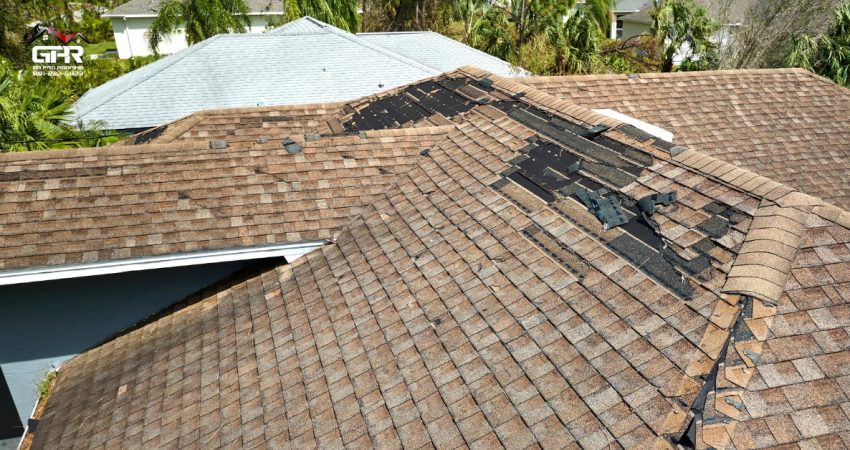
Walk your property slowly. Look for shingles in the yard, debris on the roof, and dents on gutters or vents. Wind can lift shingles without fully tearing them off, so anything out of place matters.
Check the attic
If you can get inside safely, look for wet insulation, dark stains, dripping, or sunlight peeking through boards. Attic issues often reveal hidden storm damage.
Look for indoor signs
Ceiling spots, bubbling paint, or a musty smell usually point to moisture intrusion. These signs are often early warnings.
Take photos
Document everything. Insurance companies rely heavily on visual evidence, and photos also help roofers understand the scope of the problem.
The goal is not to climb the roof. The goal is simply to gather enough information to understand what you are dealing with.
Storm damage is time-sensitive. Even a small leak can escalate quickly.
Follow this checklist during the first day:
1. Protect the interior
Move furniture, electronics, and valuables away from active leaks. Use buckets, towels, or plastic sheeting to catch or block water.
2. Cover exposed areas if it is safe
If shingles are missing or there is visible damage, a temporary tarp can help limit water entry. Only attempt this if the area is stable and easy to reach.
3. Document all damage
Take clear exterior and interior photos. Capture debris, water damage, staining, and outdoor impacts. Record the date and save all communication.
4. Call a certified roofing company for a full inspection
A trained professional can spot structural issues, hidden water intrusion, and storm-related damage. Their documentation often strengthens insurance claims.
5. Avoid storm chasers
Non-local companies often appear after major storms, make quick promises, and vanish when problems arise. Stick with trusted, certified, local roofers.
These first steps help you prevent more damage and set you up for a smooth repair or insurance process.
Not all storm damage requires a full replacement. Many issues can be repaired quickly if identified early.
Repairs are likely when:
A small section of shingles is missing
A few shingles are lifted or creased
Flashing around chimneys or vents, bent or loosened
Water enters from a single point
A light branch struck only one area
Repairs like these are usually affordable and long-lasting when done by a qualified crew.
A replacement might be required when:
Large areas of shingles blew off
The roof deck is soft, sagging, or wet
Hail impacts caused widespread granule loss
The roof was already near the end of its lifespan
Storm damage exposed deeper structural issues
Certified roofers document everything with photos or videos so you can clearly understand your roof’s condition.
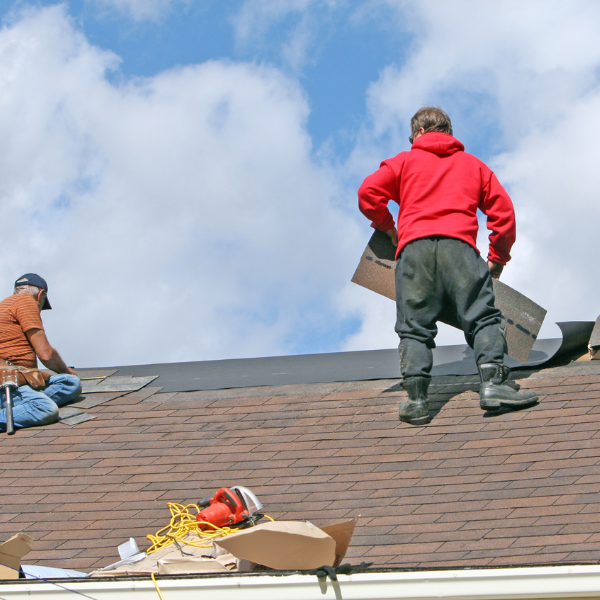
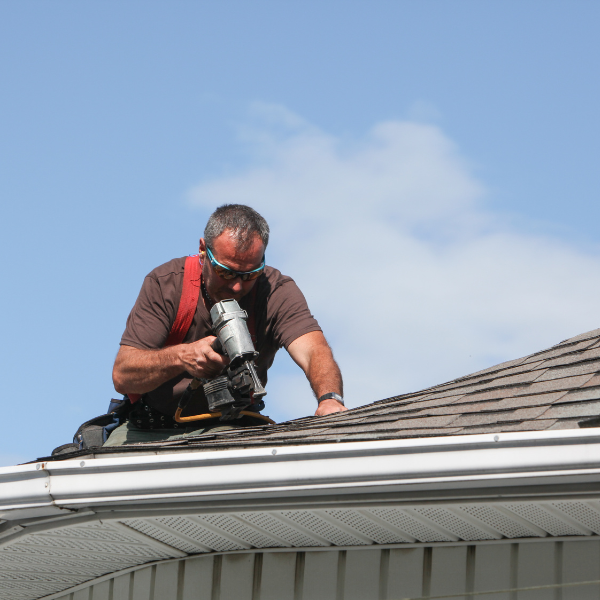
Utah weather brings a variety of risks. Along the Wasatch Front, wind, hail, snow, and rapid temperature swings commonly affect roofing materials.
Common issues include:
Wind uplift that loosens or removes shingles
Ice dams that push water under the roof surface
Heavy snow loads that stress weak areas
Hail bruising that cracks protective granules
Freeze and thaw cycles that make shingles brittle
Knowing how these conditions impact your roof helps you understand why quick inspections matter.
If your damage requires more than a temporary patch, here is what the repair process typically looks like:
Step 1: Free inspection
A certified roofer checks the full roof surface, attic structure, flashing, vents, and gutters. Hidden damage is often found during this step.
Step 2: Recommendation and estimate
You receive a clear explanation of the problem, recommended repairs, price range, and timeline.
Step 3: Repair or replacement
The crew completes the work using high-quality materials and correct installation methods. Proper workmanship is essential for long-term protection.
Step 4: Cleanup and warranty
Debris is removed, nails are magnet swept, and you receive warranty documentation along with photos of the finished work.
A straightforward process removes the stress and helps you feel confident about your home’s safety.
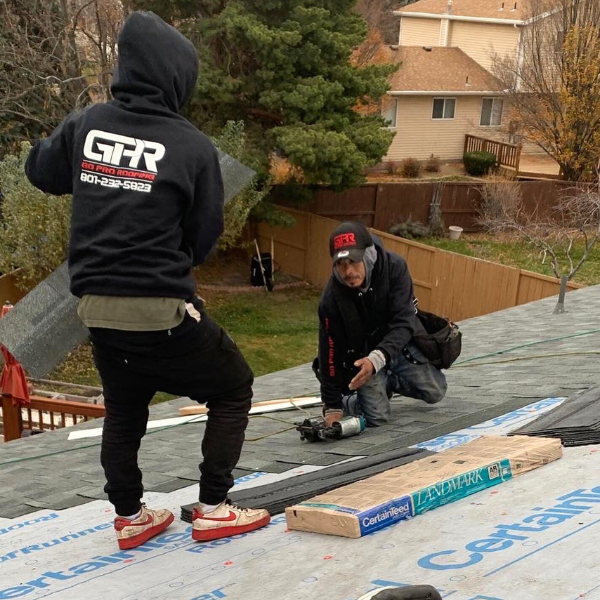
Homeowners often hesitate to contact their insurance company because the process feels overwhelming. With proper documentation and a certified roofer, it becomes much easier.
A claim may be worthwhile if the storm caused:
To handle your claim properly:
Clear documentation and a certified professional make the claim process smoother and more accurate.
Here is the simplest approach. If you can see damage or suspect something is wrong, call a roofer. Storm damage rarely stays contained.
Call a professional immediately if you notice:
Quick inspections prevent minor problems from becoming expensive repairs.
At Go Pro Roofing, we have helped hundreds of homeowners throughout the Salt Lake Valley recover from storm-related damage. Our Master Roofer Certified team understands how Utah weather affects different roof types and how to identify both visible and hidden damage. This expertise helps homeowners feel confident when navigating repairs or insurance claims.
Here is where adding a natural interlink fits well: our company background is explained on our
If you are unsure how severe your storm damage is or want help understanding your insurance options, scheduling a free inspection is an easy first step. You can also review our roof repair services to learn more about the process and what to expect.
Many homeowners mention Driftwood and Estate Gray as top picks for blending style and practicality. Roofers have also noticed a rise in demand for Pacific Wave and Teak due to their unique visual appeal.
Posted onTrustindex verifies that the original source of the review is Google. Really appreciated the thorough explanation of my existing roof and the things taken into consideration during the replacement. They took tons of photos before/during/after that were shared with me on a Google link which made it easy to share with my insurance company. My roof took one day which was glorious! I had gotten a few bids and they were not the cheapest but somewhere in the middle, the difference was the quality of things like drip edge, flashing addressing old pipes. None of the other companies even talked about that stuff so costing a little more (wasn't a lot) was totally worth it. They even removed my old swamp cooler. My garage is detached so we didn't do it at the same time, when I do I'll definitely use them again.Posted onTrustindex verifies that the original source of the review is Google. Exceptional experience with this company from beginning to end of the process, which is unfortunately very rare these days. Showed up on time and did excellent work. Pointed out items that other companies who bid the job missed, and didn’t try to add them on simply to charge me more. This company is experienced, affordable and does beautiful work. Highly recommended in every way.Posted onTrustindex verifies that the original source of the review is Google. These guys showed up when they said no hassle got down to work cleaning while working kept my yard clean while working had my roof stopped and shingled in one day I can’t say enough about them they are a great company to work withPosted onTrustindex verifies that the original source of the review is Google. Fast and thorough repair. Fast responses to questions. They fixed a problem covered up by another company.Posted onTrustindex verifies that the original source of the review is Google. Jose was quick, efficient for the work he did. Also he was respectful of the plants he had to reach over to complete the job. And he cleaned everything up afterwards. Loved it and would recommend him to any and all who need work done!!!Posted onTrustindex verifies that the original source of the review is Google. Jose and the crew were professional and efficient and I would highly recommend them!Posted onTrustindex verifies that the original source of the review is Google. We had Jose from Go Pro Roofing come out to give us a bid on doing Leaf Gutters. He sent me a bid which was very reasonable and we booked our appt for May 2024. He cleaned out the gutters before installing the gutters and took pictures of everything before, after and during the install. He showed up when he said he would and cleaned up after. He did a very professional job.Posted onTrustindex verifies that the original source of the review is Google. It’s unfortunate roofs don’t need to be replaced often, I would use Jose and his crew every time and refer them to everyone I know without hesitation. Jose took time to teach, explain, and answer questions. Throughout the process, and even with random things after, Jose went above and beyond. They were fast, clean, and thorough - even the neighbors commented on the speed and attention to detail. Good character, competitive pricing, fantastic work.Posted onTrustindex verifies that the original source of the review is Google. Jose and his guys were awesome! We had a leak coming in our front door. They diagnosed the problem and fixed it and several other spots too. Very professional, cleaned up after and they did a great job.Posted onTrustindex verifies that the original source of the review is Google. Jose is always available! Gives great quality work and is always profesional. He has helped my clients of mine and myself countless times!






Storm damage appears in different ways depending on the type of weather. Wind may lift or tear shingles. Hail may dent or bruise the shingle surface, causing granule loss. Heavy snow can stress older roofs or cause them to sag. Rain can cause leaks or water stains that appear inside your home. Some damage is evident from the ground, while other issues can only be found during a professional inspection.
It is best to take action quickly. Even a slow drip can soak insulation, damage drywall, and create ideal conditions for mold. Water spreads easily inside roofing layers. What starts as a small leak can become a major repair within days. Temporary measures, such as towels or buckets, help for the moment, but permanent repairs should follow right away.
Most homeowners policies cover wind, hail, and falling debris damage. Approval depends on whether the storm directly caused the problem. Insurance adjusters look for evidence such as missing shingles, hail dents, lifted roofing materials, and interior water intrusion. Your roof’s age matters too. A certified roofer can help document the damage and support your claim so nothing is missed.
Yes. Roof repairs can be completed year-round in Utah. Emergency leak control, shingle repairs, flashing fixes, and temporary patches can be done even in freezing temperatures. Full replacements can often be completed during warmer days. Crews use winter-specific materials and techniques to ensure the roof seals properly during cold weather.
The timeline varies by severity. Small repairs, such as replacing a few shingles, can take a couple of hours. Moderate repairs may take half a day or a full day. Larger repairs or complete replacements often take one to three days, depending on roof size, materials, and weather conditions. Insurance approvals may extend the total timeline, but the actual work is usually fast with an experienced crew.
Early planning also means you can secure material choices before supplier price increases, arrange any needed repairs or prep work, and review multiple estimates without feeling pressured.
By April, most quality roofers in Utah are already scheduling several weeks out. The earlier you plan, the more control you have over cost and convenience.
If you are in the Salt Lake area, explore roof replacement services in Salt Lake City for spring scheduling insights.
Stay clear of the impacted area and check for immediate hazards such as exposed wiring or active leaks. Document the damage from a safe distance. Call a roofer right away so they can secure the roof, install temporary protection if needed, and evaluate structural concerns. Your roofer can guide you on whether to file an insurance claim and can supply the documentation your adjuster will request. Avoid removing large branches yourself because the roof may be unstable.

Storm damage feels overwhelming at first, but once you follow the steps in this guide, you will regain control quickly. Protect the interior, document everything, schedule a professional inspection, and handle repairs before the damage spreads.
If you need clarity about your roof’s condition or want fast help after a storm, reach out to a trusted roofing company that understands Utah’s weather patterns and how to protect your home for the long term. You can start with a simple visit to our main page at gprroofing.com or contact our team through our contact page.
Related Reads:

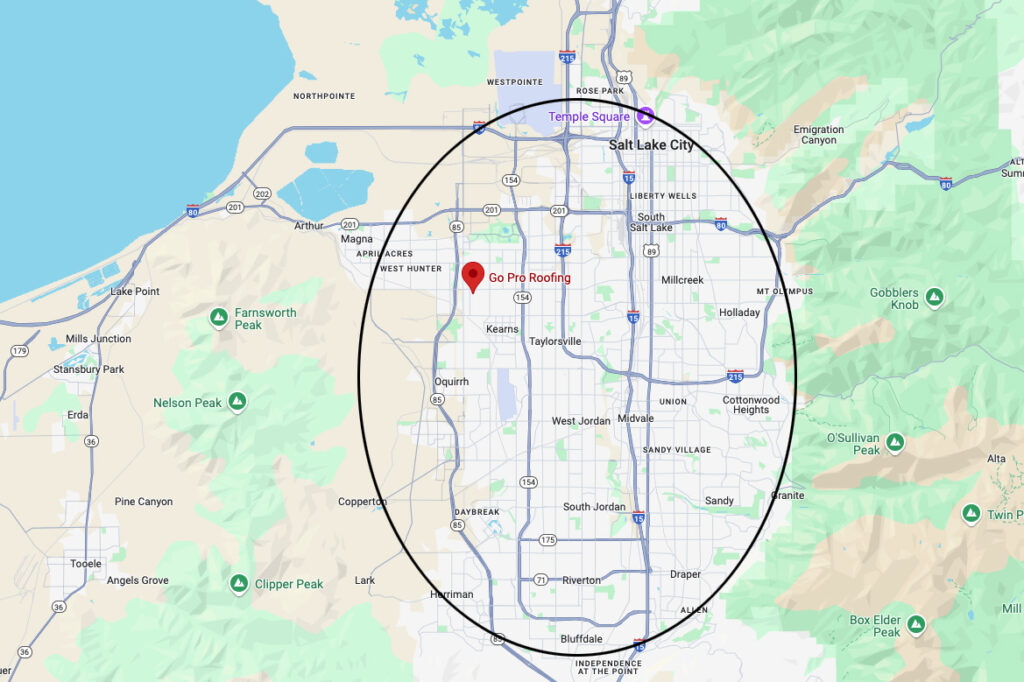
Go Pro Roofing with more than two years of proven success in quality roofing services.